త్రెడ్ పోచంపల్లి అంటే…
What Thread Pochampally is
త్రెడ్ పోచంపల్లి అనేది యాదాద్రి భువనగిరి జిల్లా నేత కళాకారుల డిజిటల్ వేదిక. ప్రతి వస్తువుపై ఉన్న QR ట్యాగ్ స్కాన్ చేస్తే — దాన్ని నేసిన చేతులు, ఊరు, నేత కథ కనిపిస్తాయి.
Thread Pochampally is a digital record of the weavers of Yadadri Bhuvanagiri. Scan the tag on any textile and you meet the hands that made it — the weaver, their village, their years at the loom.
THE TAG ON THE CLOTH
ప్రదర్శనలోని ప్రతి వస్తువుపై QR ట్యాగ్ ఉంటుంది. స్కాన్ చేస్తే ఆ వస్తువును నేసిన కళాకారుడి పేరు, ఊరు, మండలం — మరియు అందుబాటులో ఉంటే నేత కథ — కనిపిస్తాయి. త్రెడ్ పోచంపల్లి ఒక అమ్మకాల యాప్ కాదు; ఇది ఎవరి చేతుల నుంచి వచ్చిందో చెప్పే రికార్డు.
Every piece in the exhibition carries a QR tag. Scan it and you meet the maker — name, village, mandal, and, where recorded, their story. Thread Pochampally is not a shopping app. It is a public record of whose hands made the cloth you are holding.
HOW IKAT IS MADE
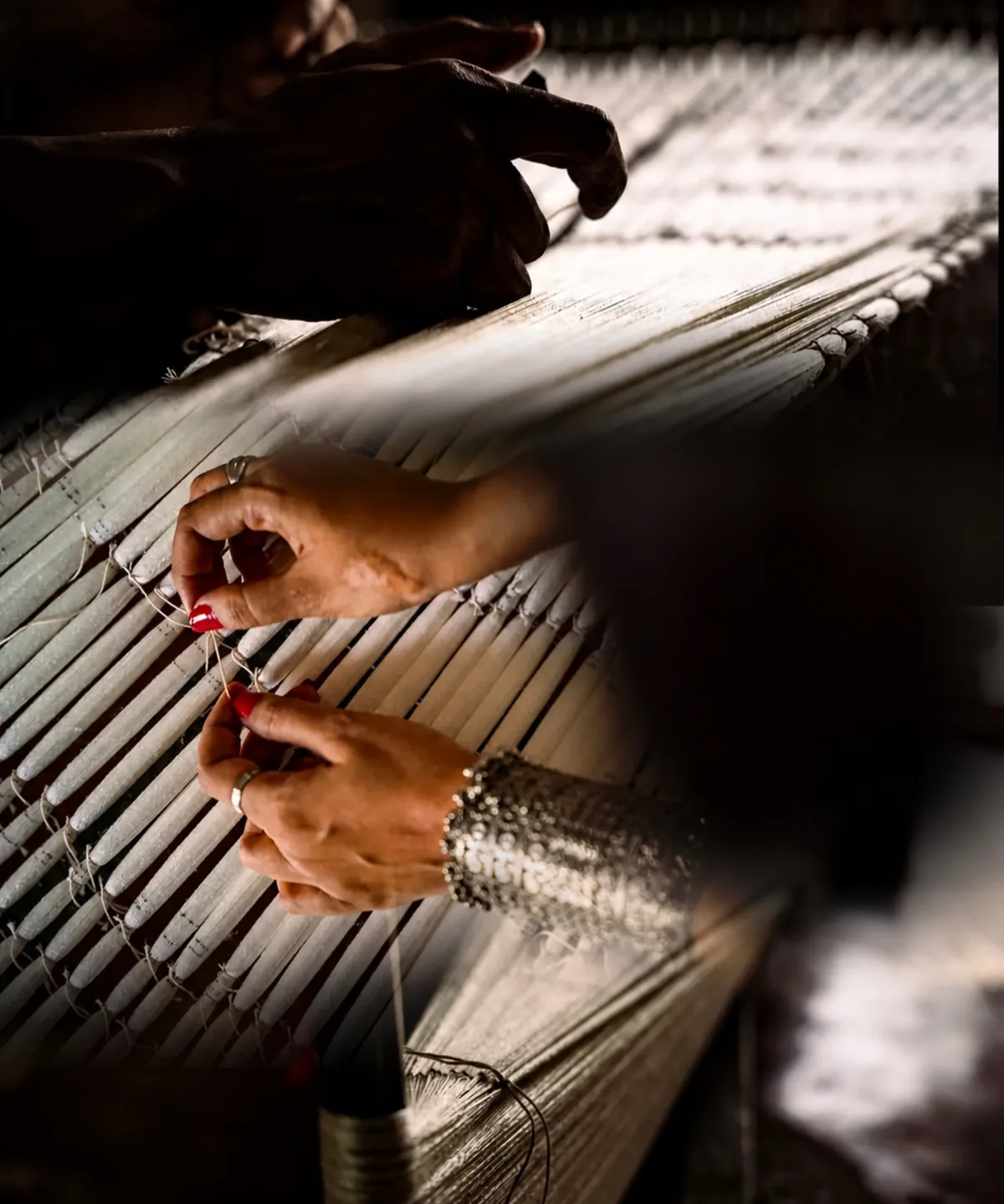
ఇక్కత్లో బొమ్మ నూలుపైనే అద్దుతారు — నేయడానికి ముందే. నూలు కట్టలను చేతితో ముడి వేసి రంగులో ముంచుతారు; ముడి ఉన్న భాగం రంగు పట్టదు. మళ్లీ ముడి, మళ్లీ అద్దకం — అప్పుడే మగ్గం మీద డిజైన్ కనిపిస్తుంది. స్థానికంగా దీన్ని పాగడు బంధు లేదా చిట్కి అంటారు.
In ikat the pattern is dyed into the yarn before a single thread is woven. Bundles are tied by hand and dipped; the bound sections resist the colour. Tie, dye, repeat — then the loom reveals the design. Locally the craft is called Paagadu Bandhu or Chitki. The word ikat itself comes from the Malay–Indonesian mengikat — to bind or knot around.
సింగిల్ ఇక్కత్లో వార్ప్ లేదా వెఫ్ట్ ఒక్కటే అద్దుతారు. డబుల్ ఇక్కత్లో రెండూ — ఖచ్చితంగా కలిసి బొమ్మ పూర్తవుతుంది. పోచంపల్లి ప్రత్యేకతలో ఒకటి చౌక్రా: చతురస్రంలో వజ్రం — అంచులు కొంచెం మసకగా, చేతి పని గుర్తు.
Single ikat ties and dyes either the warp or the weft. Double ikat prepares both, so the motifs lock when woven — exacting work that cannot be rushed. A hallmark of Pochampally is the chowkra: a diamond inside a square, with the soft, blurred edges that mark hand-tied yarn rather than print.
ఒక డబుల్-ఇక్కత్ చీరకు కుటుంబం నెల రోజుల కంటే ఎక్కువ సమయం పట్టవచ్చు — ముడి, అద్దకం, నేత. ప్రదర్శనలో కొన్నది ఆ నెల పని ఇంటికి తీసుకెళ్లడమే.
A single double-ikat saree can take a household more than a month of tying, dyeing and weaving. When you buy one at the exhibition, that month’s work goes home with you.
FROM TELIA RUMAL TO SAREE
ఈ నేత మూలం 19వ శతాబ్దం చీరాల వైపు వెళ్తుంది — అక్కడ పత్తి తెలియా రుమాల్లు నేశారు: ఎరుపు, నలుపు, తెలుపు రంగుల్లో ధైర్యమైన జ్యామితి బొమ్మలు. మత్స్యకారులు, గొల్లలు లుంగీలు, తలపాగాలుగా వాడేవారు. 1930ల నాటికి ఇవి బర్మా, మధ్యప్రాచ్యం, తూర్పు ఆఫ్రికాకు ఆసియా రుమాల్లుగా వెళ్లాయి.
The craft’s older centre is traced to nineteenth-century Chirala, on the rail route between Vijayawada and Chennai, where cotton Telia Rumals were woven in bold geometry — red, black and white — used by fisherfolk and herders as loincloths, lungis and turbans. By the 1930s the cloth travelled to Burma, the Middle East and East Africa as Asia Rumals.
1960లలో అఖిల భారత హస్తకళా బోర్డు సహాయంతో పోచంపల్లి నేతగాళ్లు చీరల వైపు మళ్లారు. ఆ ఊరు చుట్టూ ఉన్న గ్రామాలు — కొయ్యలగూడెం, పుట్టపాక, చౌటుప్పల్ వంటివి — ఇప్పటికీ ఈ గొలుసులో ఉన్నాయి. పట్టు, పత్తి, సికో (పట్టు-పత్తి) అన్నీ ఇక్కడి మగ్గాల మీదే వస్తాయి.
In the 1960s, with support from the All India Handicrafts Board, weavers in Pochampally turned toward sarees. Villages around the town — including Koyyalagudem, Puttapaka and Choutuppal — remain part of that living chain. Cotton, silk and sico (silk–cotton) all pass through these pit looms.
BHOODAN & THE SILK CITY
1951 ఏప్రిల్ 18న ఆచార్య వినోబా భావే పోచంపల్లి చేరుకున్నారు. ఇక్కడ మూడింట రెండు వంతుల కుటుంబాలకు భూమి లేదు. ఎనభై ఎకరాలు ఎక్కడి నుంచి అని అడిగినప్పుడు, స్థానిక భూస్వామి రామచంద్రా రెడ్డి లేచి వంద ఎకరాలు దానం చేశారు — అదే భూదాన ఉద్యమానికి తొలి అడుగు. ఆ రోజు నుంచి ఊరికి భూదాన్ పోచంపల్లి అనే పేరు నిలిచింది. నేతతో పాటు ఈ చరిత్ర కూడా ఇక్కడి గుర్తు.
On 18 April 1951 Acharya Vinoba Bhave came to Pochampally, where two in every three families held no land. Asked where eighty acres might come from, a local landowner, Ram Chandra Reddy, stood and offered a hundred — the first gift of the Bhoodan (land-gift) movement. The village has been known as Bhoodan Pochampally ever since. The place carries two inheritances at once: Gandhian land reform, and the looms that earned it the name Silk City of India.
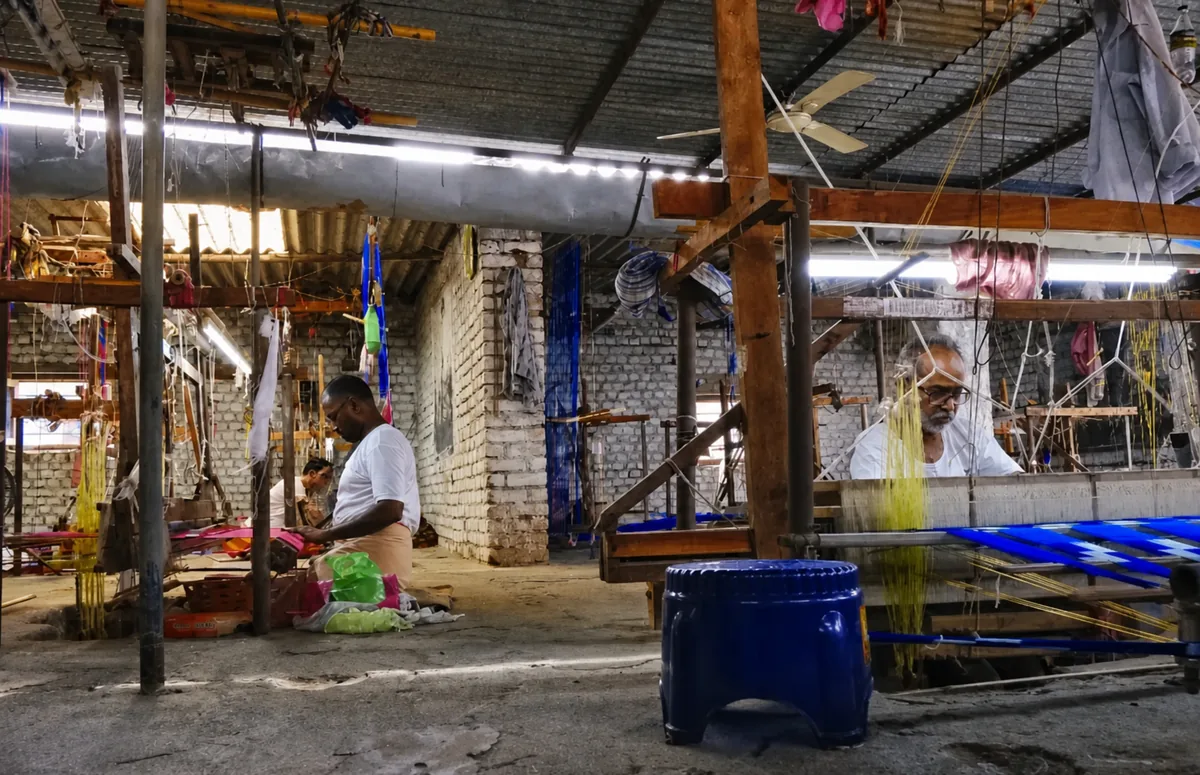
హైదరాబాద్ నుంచి సుమారు గంట–రెండు గంటల దూరం. ఇక్కడి చాలా ఇళ్లు మగ్గం కార్యాలయాలు — తరాల నుంచి నేతే జీవనం.
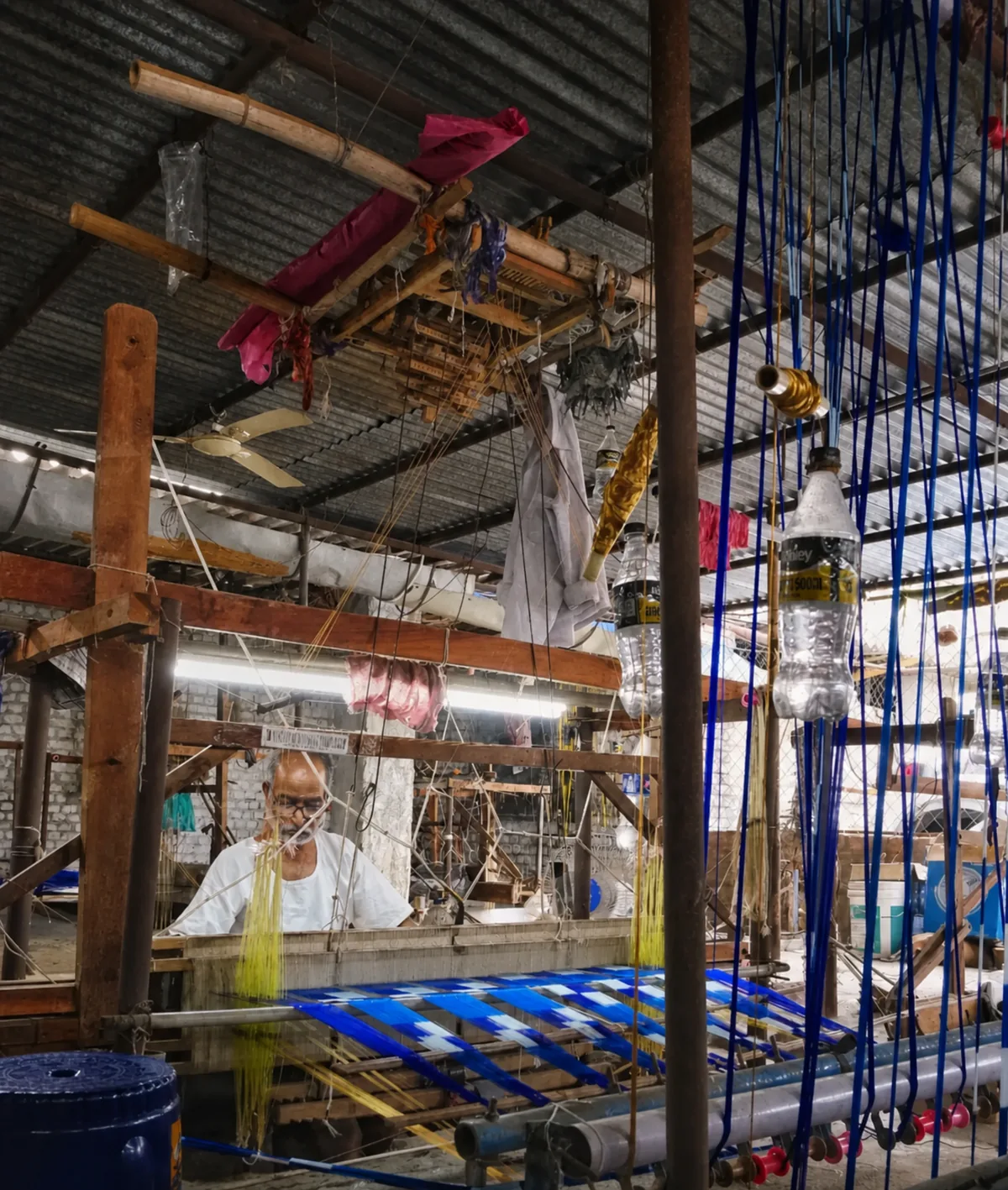
The town sits roughly an hour to two from Hyderabad. In many homes the loom is the workshop: weaving is not a side craft here, but the work of generations.
GI & WORLD RECOGNITION
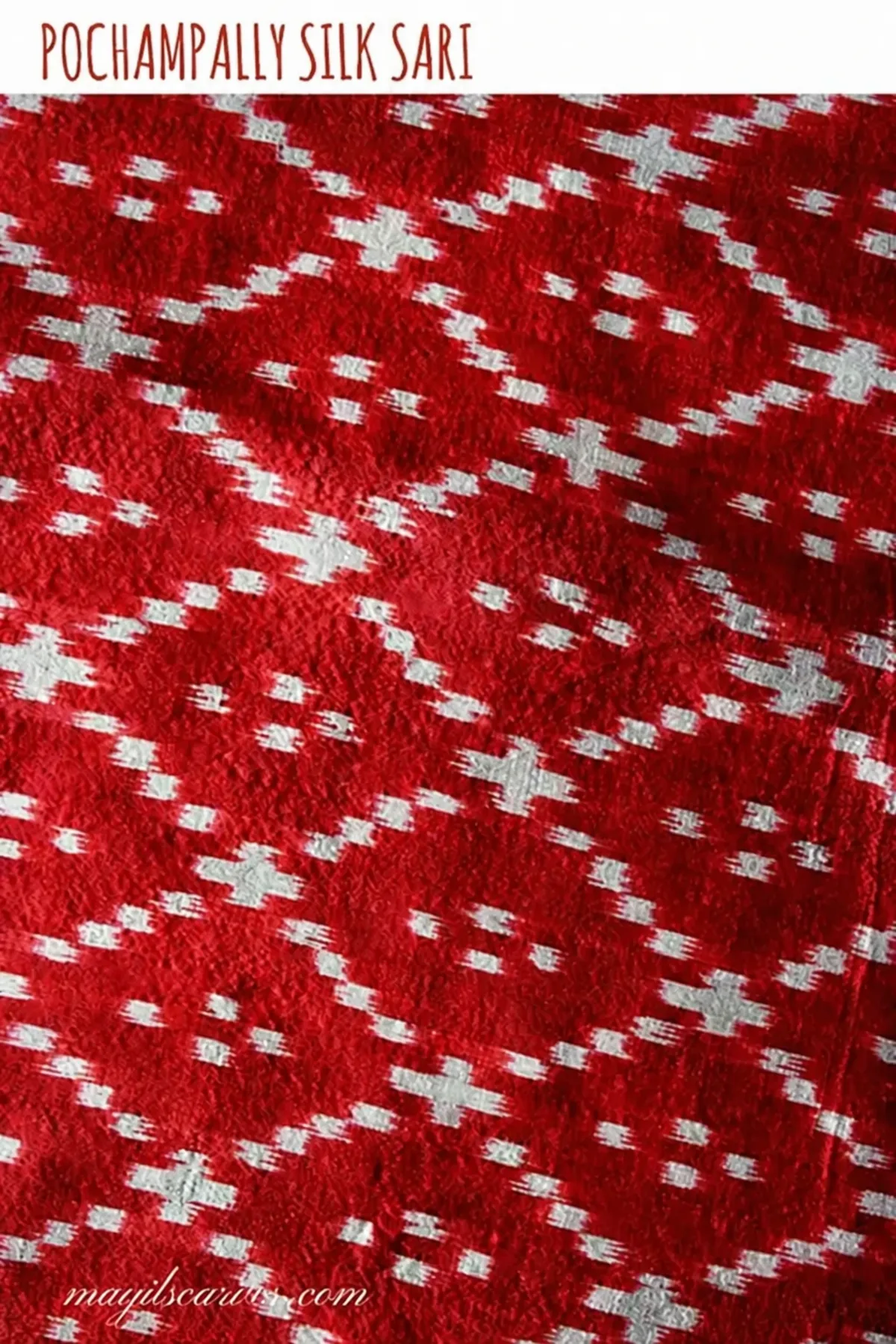
పోచంపల్లి ఇక్కత్కు భౌగోళిక గుర్తింపు (GI) 2004లో లభించింది — భారతదేశంలో GI పొందిన మొట్టమొదటి చేనేత ఉత్పత్తి ఇదే. ఈ పేరు వాడాలంటే ఇక్కడ, ఈ విధంగా నేసిన వస్తువే కావాలి. హక్కు పోచంపల్లి హ్యాండ్లూమ్ వీవర్స్ కోఆపరేటివ్ సొసైటీ, టై అండ్ డై తయారీదారుల సంఘం వద్ద నమోదు అయింది.
Pochampally Ikat was registered as a Geographical Indication in 2004 — the first handloom product in India to receive one, under GI application no. 4. Only cloth woven in this region, in this way, may carry the name. The registration sits with the Pochampally Handloom Weavers Cooperative Society Ltd and the Pochampally Handloom Tie and Dye Silk Sarees Manufacturers Association, and was renewed for a further decade.
2021లో ఐక్యరాజ్యసమితి ప్రపంచ పర్యాటక సంస్థ (UNWTO) పోచంపల్లిని ప్రపంచంలోని ఉత్తమ పర్యాటక గ్రామాలలో ఒకటిగా గుర్తించింది — సంస్కృతి, స్థిరత్వం, సమాజ భాగస్వామ్యం కోసం. ఇది ప్రదర్శన కోసం కాదు; ఇక్కడి నేత జీవితానికి అంతర్జాతీయ గుర్తింపు.
On 2 December 2021, at its 24th General Assembly in Madrid, the United Nations World Tourism Organization (UNWTO) named Pochampally one of the world’s Best Tourism Villages — for cultural heritage, sustainability and community. It was the only Indian village chosen that year, from three the Ministry of Tourism put forward. The award recognises a living craft economy, not a museum piece. Across the wider cluster, thousands of weaving families still work traditional pit looms.
THE YADADRI CLUSTER ON CHENETHA
ఈ వేదికపై ప్రస్తుతం 240 మంది నేత కళాకారులు ఉన్నారు — యాదాద్రి భువనగిరి జిల్లా 9 మండలాల నుంచి. ఇది జిల్లా కలెక్టరేట్ ప్రదర్శనకు అనుసంధానమైన లింక్ చేయదగిన రికార్డు; GI క్లస్టర్లోని ప్రతి మగ్గం కాదు.
Thread Pochampally currently records 240 weavers across 9 mandals of Yadadri Bhuvanagiri — the consented, linkable makers in this District Collectorate exhibition. It is not a census of every loom in the GI cluster; it is the public face of the pieces on show.
- భూదాన్ పోచంపల్లి · B. Pochampally
- భువనగిరి · Bhongir
- వలిగొండ · Valigonda
- చౌటుప్పల్ · Choutuppal
- రామన్నపేట · Ramanapeta
- ఎస్. నారాయణపురం · S. Narayanpuram
- యాదగిరిగుట్ట · Yadagirigutta
- మోటకొండూరు · Mutakondur
- ఆలేరు · Alair
PHOTOGRAPHY
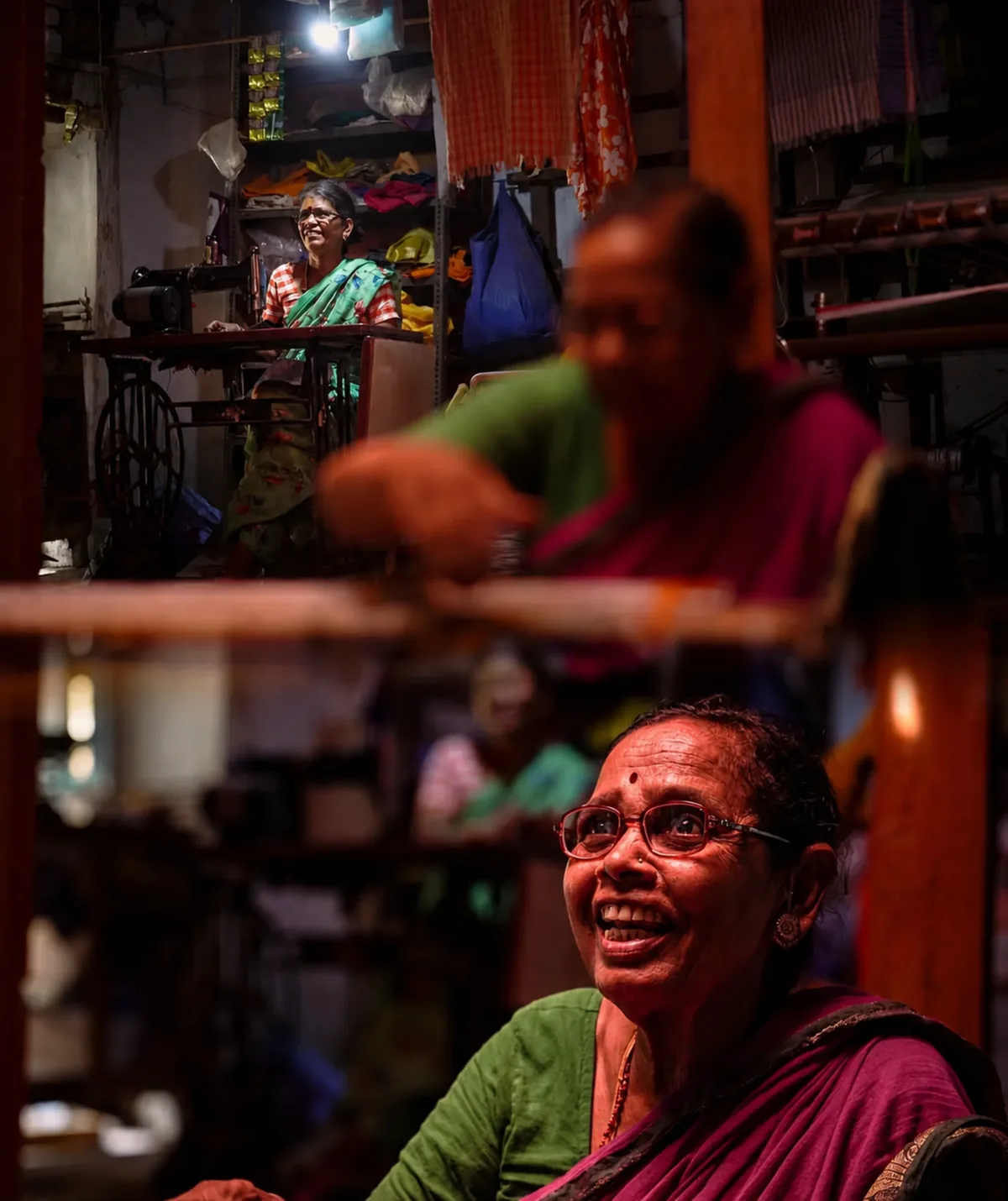
ఈ సైట్లోని చాలా నేత చిత్రాలు Project Pochampally — @thread.pochampally — సహకారంతో వచ్చాయి. వారు ఊరిలోని మగ్గాలు, చేతులు, ప్రదర్శనలను నమోదు చేస్తారు. వ్యక్తిగత నేత కథలు త్రెడ్ పోచంపల్లిలో ప్రతి కళాకారుడి అనుమతితో మాత్రమే చేరుతాయి.
Much of the craft photography on this site comes from Project Pochampally (@thread.pochampally), which documents looms, hands and exhibitions in the cluster. Personal weaver stories appear on Thread Pochampally only with each maker’s consent — the same standard that governs every named portrait here.